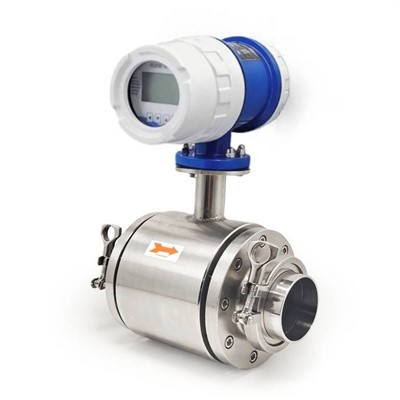
Maintaining the accuracy of a variable – area flowmeter over time is crucial for ensuring reliable and precise flow measurement in various industrial applications. As a supplier of variable – area flowmeters, I understand the significance of providing customers with not only high – quality products but also the knowledge to keep these instruments performing at their best. Variable-area Flowmeter
Understanding the Basics of Variable – Area Flowmeters
Before delving into the maintenance strategies, it’s essential to understand how variable – area flowmeters work. A variable – area flowmeter, also known as a rotameter, operates on the principle of a float rising and falling within a tapered tube. The fluid flow causes the float to move to a position where the upward force exerted by the fluid equals the downward force of gravity. The position of the float within the tube corresponds to the flow rate, which can be read from a scale on the tube.
The accuracy of a variable – area flowmeter depends on several factors, including the design of the meter, the properties of the fluid being measured, and the installation conditions. Any changes in these factors over time can affect the meter’s performance and accuracy.
Initial Installation and Commissioning
The first step in maintaining the long – term accuracy of a variable – area flowmeter is proper installation and commissioning. Incorrect installation can lead to inaccurate readings and premature wear of the meter components.
Correct Orientation
Variable – area flowmeters should be installed vertically with the fluid flowing from the bottom to the top. This ensures that the float moves freely within the tube and that the gravitational force acts consistently on the float. Any deviation from the vertical orientation can cause the float to stick or move erratically, leading to inaccurate flow measurements.
Adequate Straight Pipe Runs
It is recommended to have sufficient straight pipe runs upstream and downstream of the flowmeter. Upstream straight pipe runs help to ensure a uniform flow profile, which is essential for accurate measurement. A general rule of thumb is to have at least 5 – 10 pipe diameters of straight pipe upstream and 2 – 5 pipe diameters downstream of the flowmeter.
Proper Mounting
The flowmeter should be securely mounted to prevent vibration and movement. Vibration can cause the float to move erratically and affect the accuracy of the readings. Additionally, the mounting should allow for easy access to the meter for maintenance and inspection.
During commissioning, the flowmeter should be calibrated according to the manufacturer’s instructions. This involves adjusting the meter to ensure that it provides accurate readings for the specific fluid and flow conditions. Calibration should be performed using a known reference flow rate, and any necessary adjustments should be made to the meter’s scale or zero point.
Regular Inspection and Cleaning
Regular inspection and cleaning are essential for maintaining the accuracy of a variable – area flowmeter. Over time, dirt, debris, and contaminants can accumulate inside the tube and on the float, affecting the movement of the float and the accuracy of the readings.
Visual Inspection
A visual inspection of the flowmeter should be performed regularly. Check for any signs of damage, such as cracks in the tube or wear on the float. Inspect the scale for clarity and accuracy. Any damage or wear should be addressed immediately to prevent further deterioration of the meter’s performance.
Cleaning the Tube and Float
The tube and float should be cleaned periodically to remove any accumulated dirt and debris. The cleaning method depends on the type of fluid being measured and the material of the tube and float. For non – corrosive fluids, a mild detergent and water solution can be used to clean the tube and float. For corrosive fluids, a more specialized cleaning solution may be required.
When cleaning the tube, it is important to use a soft brush or cloth to avoid scratching the surface. Scratches on the tube can affect the movement of the float and lead to inaccurate readings. After cleaning, the tube and float should be thoroughly rinsed and dried before reinstalling the flowmeter.
Monitoring Fluid Properties
The properties of the fluid being measured can change over time, which can affect the accuracy of the variable – area flowmeter. Factors such as temperature, pressure, viscosity, and density can all have an impact on the meter’s performance.
Temperature and Pressure
Changes in temperature and pressure can cause the fluid to expand or contract, which can affect the flow rate and the position of the float within the tube. It is important to monitor the temperature and pressure of the fluid and make any necessary adjustments to the flowmeter’s readings. Some variable – area flowmeters are equipped with temperature and pressure compensation features, which can help to maintain accuracy under varying conditions.
Viscosity and Density
The viscosity and density of the fluid can also affect the movement of the float within the tube. If the viscosity or density of the fluid changes significantly, the flowmeter may need to be recalibrated. It is important to monitor the fluid properties and consult the manufacturer’s guidelines for any necessary adjustments.
Calibration and Verification
Regular calibration and verification are essential for maintaining the accuracy of a variable – area flowmeter. Calibration involves comparing the meter’s readings to a known reference flow rate and making any necessary adjustments to ensure accuracy. Verification, on the other hand, involves checking the meter’s performance against a set of pre – determined criteria to ensure that it is operating within acceptable limits.
Calibration Frequency
The calibration frequency of a variable – area flowmeter depends on several factors, including the application, the accuracy requirements, and the stability of the fluid properties. In general, it is recommended to calibrate the flowmeter at least once a year. However, in applications where high accuracy is required or where the fluid properties are likely to change, more frequent calibration may be necessary.
Calibration Methods
There are several methods for calibrating a variable – area flowmeter, including using a master flowmeter, a volumetric method, or a gravimetric method. The choice of calibration method depends on the type of flowmeter, the accuracy requirements, and the available equipment.
Verification
Verification can be performed using a variety of methods, such as comparing the meter’s readings to those of a secondary flowmeter or using a flow simulation software. Verification should be performed regularly to ensure that the flowmeter is operating within acceptable limits.
Component Replacement
Over time, the components of a variable – area flowmeter may wear out or become damaged. Replacing worn or damaged components is essential for maintaining the accuracy and reliability of the flowmeter.
Float and Tube
The float and tube are the most critical components of a variable – area flowmeter. The float can wear out over time due to friction with the tube or exposure to corrosive fluids. The tube can also become scratched or damaged, which can affect the movement of the float. If the float or tube shows signs of wear or damage, they should be replaced immediately.
Seals and Gaskets
Seals and gaskets are used to prevent leaks in the flowmeter. Over time, these seals and gaskets can deteriorate, leading to leaks and inaccurate readings. It is important to inspect the seals and gaskets regularly and replace them as needed.
Training and Support
Providing training and support to customers is an important part of maintaining the accuracy of a variable – area flowmeter. Customers should be trained on how to install, operate, and maintain the flowmeter properly. This includes understanding the principles of operation, performing regular inspections and cleaning, and calibrating the flowmeter.
As a supplier, we offer comprehensive training programs and technical support to our customers. Our training programs cover all aspects of variable – area flowmeter operation and maintenance, and our technical support team is available to answer any questions or provide assistance as needed.
Conclusion
Maintaining the accuracy of a variable – area flowmeter over time requires a combination of proper installation, regular inspection and cleaning, monitoring of fluid properties, calibration and verification, component replacement, and training and support. By following these guidelines, customers can ensure that their variable – area flowmeters provide accurate and reliable flow measurements for many years to come.
Ultrasonic Open Channel Flow Meter If you are in the market for a variable – area flowmeter or need assistance with maintaining the accuracy of your existing flowmeter, we invite you to contact us. Our team of experts is ready to help you find the right solution for your specific needs and provide you with the support and guidance you need to keep your flowmeter performing at its best.
References
- Flow Measurement Handbook: Industrial Designs and Applications, by Richard W. Miller
- Instrumentation and Control Systems, by John C. Docherty
- Variable – Area Flowmeters: Principles, Applications, and Installation, Manufacturer’s Technical Manual
Dalian Yheng Technology Co., Ltd.
Dalian Yheng Technology Co., Ltd. is one of the leading variable-area flowmeter manufacturers and suppliers in China, also supports customized service. We warmly welcome you to buy high quality variable-area flowmeter in stock here from our factory. Contact us for more details.
Address: F1605, NO.10 Huoju road, High-tech Industrial Zone, Dalian, China
E-mail: admin@dlyheng.com
WebSite: https://www.yhengphmeter.com/
