If you’ve ever sampled braised pork belly, you know it’s the kind of comfort food that sticks with you—layers of rich, melt-in-your-mouth fat, tender meat, and a deep, savory glaze that feels like a hug in a bowl. But as someone who’s spent the last eight years supplying this dish to restaurants and home cooks across the region, I’ve come to believe that great braised pork belly is all about balance: between salty and sweet, tender and firm, and, yes, between familiar flavors and a touch of unexpected elegance. That’s why I’ve developed a lavender-scented version of the classic recipe—one that’s subtle, not floral, and works with the pork’s natural richness, not against it. Braised Pork Belly
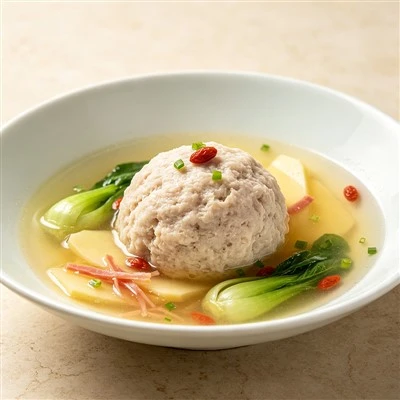
Let me start by saying this isn’t your grandmother’s braised pork belly recipe. I’ve spent years perfecting the process, and the lavender twist came about almost by accident. A regular restaurant client of mine, who specializes in French-inspired comfort food, asked if I could experiment with a “bright” note to cut through the fat. I thought of lavender, but I knew from experience that too much of it can turn a dish soapy or medicinal. So I tested it in small doses, tweaked the timing, and worked with my team to nail down the science of how lavender interacts with pork’s fat and umami compounds. Today, this version is one of my most popular offerings, and it’s perfect for home cooks who want to elevate their weeknight meals or host a dinner party with something that feels both familiar and impressive.
First, let’s talk about the pork itself. As a supplier, I can tell you that the key to great braised pork belly starts with the cut. You want a piece that’s about 2 inches thick, with a even layer of fat—around 1 inch—and a thin skin if you can find it. The best pork belly comes from past-raised hogs, which have a more balanced fat-to-meat ratio and a deeper, nuttier flavor that stands up to the braising. I source mine from a small family farm within 50 miles of my warehouse, so I can guarantee freshness and consistency. Skip the pre-packaged pork belly from the grocery store; the marbling will be uneven, and the meat will taste bland.
Next, the lavender. This is the most critical part, and it’s where so many people go wrong. You need high-quality, culinary-grade lavender—not the dried flower buds you’d use for sachets, which are often treated with chemicals or have a harsh, bitter flavor. I use lavender from a local organic farm that sells directly to chefs; it’s floral but has a soft, honeyed undertone that pairs perfectly with pork. And here’s the science part: lavender’s main aromatic compounds are linalool and linalyl acetate. Linalool has a floral, slightly citrusy scent, while linalyl acetate is more sweet and fruity. When you heat lavender gently (not boil it), these compounds infuse into the braising liquid without breaking down into their harsher, soapy byproducts. If you boil lavender for too long, you’ll get a bitter, medicinal taste that overpowers the pork.
Now, let’s get into the recipe. I’ll break it down step by step, with tips that I’ve learned from years of preparing this dish for my clients. The total cook time is about 2.5 hours, most of which is hands-off, so it’s manageable even for busy weeknights.
First, prep the pork. Start by patting the pork belly dry with paper towels—this helps it get a nice sear on the outside. Cut it into 2-inch cubes; this size is perfect because it’s small enough to cook evenly, but big enough to hold its shape during braising. Season the cubes generously with salt and pepper on all sides. Salt is important here, not just for flavor, but because it draws out a little of the pork’s surface moisture, which helps the outside brown faster.
Next, sear the pork. Heat a heavy-bottomed pot (like a Dutch oven) over medium-high heat, and add a tablespoon of neutral oil—canola or avocado works well. Add the pork cubes in a single layer, making sure not to overcrowd the pot. If they’re too close together, they’ll steam instead of sear, and you’ll lose that crispy, golden crust that adds texture. Sear for 3-4 minutes on each side, until the pork is deep brown all over. Transfer the seared pork to a plate and set it aside. Don’t worry about cooking it all the way through at this point; it will finish in the braising liquid.
Now, make the braising liquid. This is where the lavender comes in, and it’s all about balance. Start with a base of aromatics: 1 onion, diced, 4 garlic cloves, smashed, and 2-inch piece of ginger, sliced. Sauté these in the same pot over medium heat for 2 minutes, until the onion is soft and fragrant. Then, add 1 cup of soy sauce (I use low-sodium soy sauce so I can control the salt level), ½ cup of brown sugar (light brown works best for a sweet, caramelized flavor), ¼ cup of rice vinegar (it adds a bright tang that cuts through the pork’s fat), and 2 cups of chicken broth. Stir to combine, then add 1 teaspoon of culinary-grade lavender buds. Here’s the key: don’t chop the lavender buds, and don’t add them to a boiling liquid. Turn the heat to medium-low, and let the liquid simmer gently for 5 minutes. This allows the lavender’s aromatic compounds to infuse without turning bitter. If you add the lavender later, it won’t have enough time to release its flavor, and if you boil it, it will go bad.
Once the braising liquid is ready, add the seared pork back to the pot. Make sure the pork is mostly submerged—if not, add a little more chicken broth. Bring the liquid to a gentle boil, then reduce the heat to low, cover the pot, and let it simmer for 1.5 hours. During this time, the pork will become tender, and the braising liquid will reduce, thickening into a glossy glaze. Check on it every 30 minutes to make sure there’s enough liquid—if it starts to evaporate too quickly, add a few tablespoons of water. After 1.5 hours, the pork should be fork-tender, meaning a fork slides in easily but still has a little bite.
Now, for the finishing touch. Remove the pork from the pot and set it aside. Strain the braising liquid to remove the lavender buds and aromatics, then return the liquid to the pot. Simmer it over medium heat for 5-10 minutes, until it’s reduced by half and has a thick, syrupy consistency. Add the pork back to the pot, and toss it gently to coat every cube in the glaze. Let it simmer for another 5 minutes, so the pork absorbs the lavender and glaze flavor. Taste it, and adjust the salt or sugar if needed—sometimes the soy sauce or broth will make it salty, so a pinch of sugar can balance it out, or a dash of vinegar can brighten it up.
The final step is to serve it. I like to serve the lavender-scented braised pork belly over steamed white rice, which soaks up the glaze perfectly. Garnish with a sprinkle of fresh parsley or a few additional lavender buds (for a pretty touch, just make sure they’re culinary-grade). The floral note is subtle—you might notice it first in the aroma, then as a faint, sweet finish on the palate, without overpowering the rich pork.
I’ve found that this recipe works for a lot of different occasions. Restaurants use it as a small plate appetizer, sliced thin and served with a side of pickled vegetables. Home cooks make it for weekend dinners, and even freeze leftovers (which taste just as good when reheated—just add a splash of broth to keep them moist). As a supplier, I can tell you that consistency is everything—this recipe is tested to work every time, no matter if you’re making 1 pound or 10 pounds. The key is the lavender: use the right amount, don’t boil it, and it will elevate the dish without making it weird.
If you’re a restaurant owner looking to add a signature braised pork belly dish to your menu, or a home cook who wants to stock up on high-quality, pre-cut pork belly for your own recipes, I’m here to help. I supply both small and large batches, with the same fresh, past-raised pork I use in my own kitchen. Our process is designed to make it easy for you to get the best ingredients, whether you’re cooking for a family of four or a crowd of 50. We can customize cuts, offer bulk pricing, and deliver fresh pork directly to your location or home. If you’re interested in discussing your needs, whether for a single order or a long-term supply agreement, feel free to reach out to connect about procurement and bulk orders.
Lion’s Head Meatballs References:
- McGee, H. (2004). On Food and Cooking: The Science and Lore of the Kitchen. Scribner.
- Arndt, K. (2018). Flavor Science: Understanding Taste and Aroma. Wiley-Blackwell.
- National Pork Board. (2021). Best Practices for Preparing Pork Belly. Retrieved from industry culinary guidelines for commercial food service.
- Organic Trade Association. (2020). Culinary Lavender: Selection and Use in Food Preparation.
Yangzhou Jingsheng Food Co., Ltd.
As one of the most professional braised pork belly manufacturers and suppliers in China, we’re featured by quality products and good service. Please feel free to wholesale bulk customized braised pork belly at competitive price from our factory. Welcome to contact us for quotation and free sample.
Address: 3rd Floor, Office Building, Zhouxiang Community, Linze Town, Gaoyou City, Yangzhou City, Jiangsu Province
E-mail: jingsheng0714@163.com
WebSite: https://www.jingshengfood.com/
