If you run an electroplating operation, you know how critical it is to keep your plating baths in top shape—every drop matters. But what happens when that bath starts to degrade, becomes contaminated, or simply reaches the end of its useful life? As an electroplating solution supplier, I’ve seen way too many shops either dump old plating solution into wastewater systems (which is not only illegal in most regions but also a major waste of resources) or attempt DIY recycling that ends up costing more than it’s worth. Today, I’m breaking down how to recycle electroplating solution the right way—scientifically, safely, and in a way that saves your business money while protecting the environment. Electroplating Solution
First, let’s get one thing straight: electroplating solutions aren’t just “chemical mix” — they’re engineered systems, whether you’re working with nickel, chrome, copper, zinc, or gold plating. Each has specific components that break down over time, accumulate impurities, or get diluted. Recycling here means recovering valuable metals, reclaiming active chemicals, and returning the solution to a quality that’s nearly as good as fresh product. It’s not just about reducing waste; it’s about circular economy, and it’s something we actively support as a supplier because we’ve seen the cost savings add up.
Let’s start with the pre-recycling step: identifying what’s in your solution. You can’t recycle what you don’t analyze, right? We work with dozens of plating shops that skip this step and wonder why their DIY attempt failed. Every electroplating bath has three key parts: the base metal salt (like nickel sulfate), the conductive salts (to boost electrical flow), and additives (to ensure even plating, brightness, or corrosion resistance). Over time, wear comes from two sources: “consumed” components (the stuff that gets deposited on your parts) and “contaminants” (things that shouldn’t be there, like dirt, residual oils, or unwanted metals from previous plating runs).
For example, if you’re doing zinc plating, your bath will have zinc chloride, ammonium chloride, and a few brighteners. As you plate parts, zinc ions get deposited on the workpieces, so you have to top up zinc regularly. But if you get traces of copper from nearby copper plating lines (cross-contamination), that copper builds up and starts ruining your zinc plating’s appearance. A proper lab analysis will tell you exactly which components are low, which contaminants are high, and how much of each you need to remove or add. We offer free on-site analysis consultations for our clients because we believe this step is non-negotiable.
Next, let’s talk about the actual recycling methods, and which one makes sense for your operation. I’ve seen shops go for every method under the sun, but the best options depend on your solution type, volume, and impurity level. I’ll cover the most common, proven ones that our clients use successfully.
-
Impurity Removal via Chemical Precipitation
This is the most widely used method for many industrial plating solutions. The idea is simple: add a chemical that binds to the unwanted contaminants, turning them into solid “sludge” that you can filter out. For example, if you have excess copper in your zinc bath, adding sodium sulfide will form copper sulfide, which is insoluble and sinks to the bottom. You then use a filter press or cartridge filter to separate the sludge from the remaining solution.
Wait, but you have to be careful here — adding too much chemical can introduce new contaminants, or the precipitate might catch some of the good stuff too. That’s where our expertise comes in. We’ve formulated custom precipitation blends for clients that target only the bad impurities, so you don’t lose valuable plating chemicals or metals. One of our automotive plating clients reduced their metal waste by 72% using this method last year, and they still top up with our fresh additives as needed. -
Electrodeposition for Metal Recovery
If your solution has high concentrations of valuable metals (like gold, silver, or even nickel), electrodeposition is a game-changer. This method uses an electric current to pull out the target metal from the solution, leaving the cleaned chemical solution behind. It’s not the same as the electroplating process you use for parts — instead, you run a low current through the old bath, which deposits the metal on a cathode. You can then melt that deposited metal and sell or reuse it, and the remaining solution is ready to go back into your plating line.
A client of ours that does decorative gold plating was dumping over 15 ounces of gold per month into wastewater before switching to this recycling system. Now, they recover almost 14 ounces per month, which offsets 40% of their raw material costs. The key here is to use the right current density — too high, and you’ll pull out too many other metals; too low, and you won’t recover enough gold. We work with our clients to size the right electrodeposition unit for their volume, so they don’t waste money on equipment that’s too big or too small. -
Reverse Osmosis (RO) for Dilution and Contaminant Control
Sometimes, the problem isn’t too many contaminants — it’s too much water. Many plating baths absorb water vapor from the air during use, or you add water to adjust pH, which dilutes the active chemicals. Reverse osmosis is a process that pushes the solution through a semi-permeable membrane, which lets water pass through but blocks the chemical components and metal ions. The concentrated solution that’s left is stronger (almost back to original strength) and can be reused, while the water can be treated and reused for rinsing parts.
This is perfect for copper plating, where dilution is a common issue. I’ve seen a sheet metal shop reduce their water usage by 65% using RO for their copper bath recycling. The membrane does need periodic cleaning, but it’s low maintenance compared to other methods, and it pairs really well with our chemical top-up services — we can send you exactly the amount of concentrated copper sulfate you need to bring the recycled solution back to spec.
Now, let’s talk about a mistake I see all the time: “I’ll just top up my old solution with fresh chemicals and call it recycling.” That’s not recycling — that’s maintenance. If your bath has high levels of contaminants, even adding fresh chemicals won’t fix the plating quality. You’ll get pitting, uneven plating, or even parts that fail quality control. Real recycling requires removing the bad stuff, not just adding more good stuff. For example, if your chrome bath has too many iron contaminants, topping up with chromic acid won’t get rid of the iron, so your chrome plating will be dull and corrode faster. We’ve had clients do this, only to end up reworking 20% of their parts — which cost way more than a proper recycling process would have.
Another important point: safety. Electroplating solutions are acidic, alkaline, or contain heavy metals, so recycling processes have to follow OSHA and local environmental regulations. You can’t just handle sludge with bare hands, or discharge RO permeate without treating it. As a supplier, we don’t just sell chemicals — we offer safety training for our clients’ teams, and we provide all the PPE and equipment specs they need to comply. We also keep up with changing regulations, so if a new rule about metal discharge comes out, we adjust our recycling recommendations to match.
Let’s walk through a real example to make this concrete. Last quarter, a small hardware plating shop reached out to us because they were spending $12,000 a year on fresh zinc solution and another $3,500 on wastewater disposal for old solution. We did a full analysis of their old zinc bath, found that it had 0.8 g/L of copper (the maximum they can handle is 0.2 g/L) and their zinc concentration was 25% below spec. We recommended a two-step process: first, a small-scale chemical precipitation to remove the excess copper, then add our custom zinc concentrate and brightener to bring the bath back to original quality. They didn’t have to buy a big electrodeposition unit, just a small filter press. The result? They now reuse 85% of their zinc solution, cut their chemical costs by 45%, and their wastewater disposal costs by 70%. That’s a return on investment in less than 4 months.
Wait, but what if your solution is too far gone? Even with the best recycling, some solutions can’t be saved — like if they have too many mixed metals from multiple unregulated plating runs, or if they’ve been sitting unused for years and have formed insoluble precipitates at the bottom. In that case, we offer a proper disposal service that complies with all environmental rules, so you don’t have to worry about fines. We don’t push recycling on every client — we’re honest about when it’s better to recycle, and when it’s better to dispose properly, because our reputation is built on long-term partnerships, not one-time sales.
Now, let’s talk about how to get started. If you’re reading this and thinking, “I don’t know the first thing about recycling my electroplating solution,” that’s exactly what we’re here for. You don’t need to hire a big team or invest in expensive equipment right away. The first step is to get a sample of your used solution tested. We can send a sample kit to your facility, our lab will run a full analysis, and we’ll put together a custom recycling plan tailored to your specific plating process, volume, and budget.
Don’t wait until you have a pile of old solution or are getting hit with a big wastewater bill. Small changes in how you handle your plating baths can add up to big savings, and help you operate more sustainably — which is something customers and regulators are increasingly asking for. We’ve worked with shops of all sizes, from small job shops with one plating line to large automotive suppliers with 10+ lines, and we can adjust our approach to fit your needs.
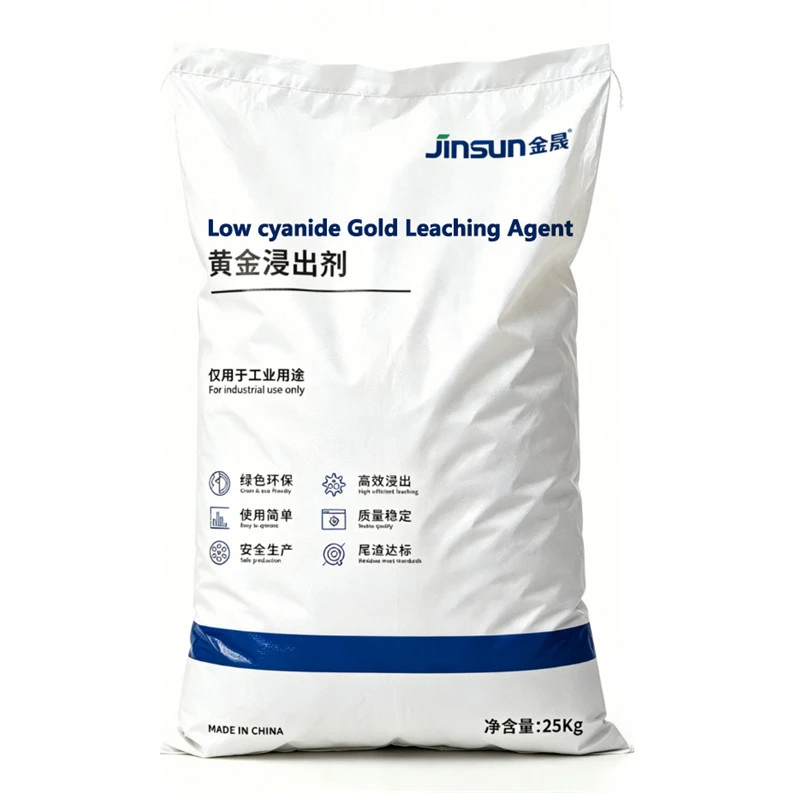
Gold Dressing Agent If you’re ready to stop wasting valuable electroplating solution, reduce your costs, and meet environmental regulations, reach out to our team to discuss your specific needs. We’re here to answer questions, provide advice, and help you implement a recycling process that works for your business.
- The Electroplating Engineer’s Guide to Waste Reduction and Recycling, Nickel Institute
- Industrial Electroplating Solution Recycling: Methods and Best Practices, Journal of Environmental Management
- Occupational Safety and Health Administration (OSHA) Guidelines for Electroplating Waste Handling
- Circular Economy in Metal Finishing: Recovering Valuable Materials from Plating Baths, International Metal Finishing Association
Jinsun Chemical (Guangdong) Co., Ltd.
We are one of the most professional electroplating solution manufacturers and suppliers in China, featured by quality products and good price. Please rest assured to buy customized electroplating solution made in China here from our factory. Also, pricelist is available.
Address: Room 101&102, Building B1, No.136 Kaiyuan Avenue, Huangpu District, Guangzhou City
E-mail: Wangqun@jinsheng-chemical.com
WebSite: https://www.jinsunchem.com/
