If you’re working in industrial piping, power generation, or oil and gas, chances are you’ve come across forged valves. But when it comes time to pick between a forged gate valve and a forged globe valve, the lines can get blurry—even for folks who’ve been sourcing valves for years. As a forged valves supplier who’s walked dozens of engineers and plant managers through this exact question, I get it. It’s not just about picking a part; it’s about avoiding downtime, keeping operations safe, and making sure your system runs as efficiently as possible. Let’s break this down like we’re talking over a coffee at a job site—no stuffy jargon, just the real difference you need to know. Forged Valves
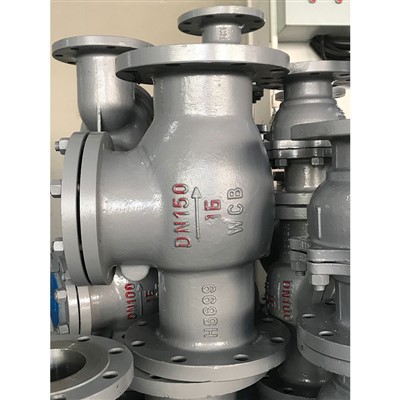
First, let’s start with what forged valves actually are, because that foundation matters. Forged valves are made from a single solid metal block (usually carbon steel, stainless steel, or alloy steel) heated and hammered into shape, rather than welded or cast from molten metal. That forging process tightens the metal’s grain structure, so these valves are way stronger and more resistant to pressure, heat, and stress than their cast counterparts. For us as a supplier, that’s why forged valves are the go-to for high-stakes applications—like oil refineries, chemical plants, or steam lines where a valve failure could mean big problems.
Now, the core difference between gate and globe valves boils down to how they control flow, and that one design choice shapes every other part of their performance. Let’s start with the forged gate valve. A gate valve’s main move is a thin, wedge-shaped “gate” that slides up and down to open or close the flow path. When you open it all the way, the gate sits completely out of the way, so there’s almost no resistance to liquid or gas moving through. That’s why gate valves are the “on-off” workhorses. I tell customers: if you just need to turn a line fully open or fully shut, no need to tweak the flow in between, grab a gate valve. They’re designed for two positions—no in-between.
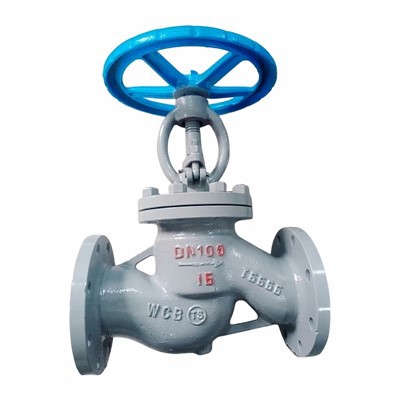
The forged globe valve, though, uses a round, disk-like plug that sits against a stationary ring (called a seat) to regulate flow. Twist the handwheel a quarter turn, and the plug moves up or down, letting more or less space between the plug and the seat. That means you can dial in the flow exactly—like turning a faucet up or down. For applications where you need to adjust how much liquid or gas passes through, like controlling steam pressure in a heat exchanger or balancing flow across multiple branches, a globe valve is the right pick.
Let’s dive into the nitty-gritty stuff that affects your decision, starting with pressure and temperature. Forged valves already handle way higher PSI and temps than cast, but between gate and globe, there’s a gap. Gate valves are great for low-pressure drop when fully open, so they’re ideal for lines that run at steady, high pressure—like main feed lines to a boiler or long-distance process lines. The tradeoff? Because the gate has to seal tight when closed, it can be harder to operate manually if you’ve got a thick slurry or high-pressure line. A lot of new operators I’ve worked with hate cranking a gate valve shut too hard and bending the gate over time.
Globe valves, on the other hand, have a shorter, sturdier stem that moves the plug, so operation is smoother for frequent adjustments. They’re also better at sealing tight for on-off duty too, actually—thanks to the plug pressing directly against the seat. That’s why you’ll see globe valves on smaller, high-pressure lines, like instrument lines or bypass loops, where you’re tweaking flow every day. The downside with globe valves, though, is that even when fully open, the flow has to curve around the plug and seat, creating pressure loss. For a long line, that extra resistance adds up, meaning you need bigger pumps to push the same amount of fluid. That’s a big cost over time—something I always bring up to customers who try to use a globe valve for a 100-foot process line.
Next, let’s talk about size and installation. Forged gate valves are usually cheaper for larger sizes (over 2 inches, say) because their simpler design uses less material. The gate is a single wedge, the body is just two halves bolted together, no extra internal parts. Globe valves have more moving parts—plug, stem, seat, maybe a packing set around the stem to prevent leaks—so they’re more expensive for the same size. But for small sizes, globe valves can actually be more compact, which matters in tight spaces like skid-mounted equipment or offshore platforms where every inch counts.
Then there’s maintenance. Gate valves, because they’re only two-position, have fewer parts that wear out. The only real wear point is the gate and seat when you open and close it—if it’s in a slurry line, it might need a new gate every few years, but that’s straightforward. Globe valves? Because you’re moving the plug up and down thousands of times, the stem can get scored, or the seat can erode from harsh fluids. That means more regular checks, maybe a rebuild kit down the line. But here’s the catch: if you install a gate valve in a line where you’re constantly opening and closing it, the gate will get scratched or the stem will bend way faster than a globe valve. I’ve seen companies swap out gate valves every 6 months just because they use them for flow control, which is way more expensive long-term than getting the right valve to begin with.
Let’s throw in some real-world examples to make this stick. Last year, a customer in the chemical plant came to me panicking—they’d installed forged globe valves on their main water feed line, and their pumps were running 15% harder than before. Turns out, they were using globe valves for a line that just needs to be open all the time; the pressure loss was killing their efficiency. We swapped them for forged gate valves, and their energy use dropped right back to normal. Another customer, a power plant technician, needed to adjust steam flow to a turbine every hour. We recommended forged globe valves because the gate valves they’d been using were hard to crank without a pipe wrench, and they kept tearing the handwheels off. That’s the stuff you don’t get from a spec sheet—real problems that come from mixing up these two valves.
Wait, let’s address a common myth I hear all the time: “Forged gate valves can’t handle pressure, only globe valves can.” No, that’s not true. Forged gate valves are rated for as much pressure as globe valves, often up to 2500 PSI or higher, depending on the material. The seal difference is just in how they close. Gate valves rely on the wedge pressing against the seat, while globe valves rely on the plug pressing straight down. The key is matching the valve to the duty, not the pressure rating. If you need on-off, go gate; if you need regulation, go globe, even if both are forged and rated for the same pressure.
Another thing: leak prevention. Both forged designs are way less likely to leak than cast, but gate valves can sometimes “creep” open a little over time if they’re jarred—like a line next to a pump that vibrates a lot. Globe valves, with their more secure plug seal, hold their tight shut better in vibrating lines. I had a refinery customer a while back where gate valves on pump discharge lines were dripping a little every week; switching to globe valves stopped the leaks entirely. But again, that’s the duty—if you don’t need regulation, why pick a globe just to fix a leak? You could just install a gate valve with a thicker stem to handle vibration.
As a forged valves supplier, my job isn’t just to sell you a valve—it’s to help you pick the one that saves you money and time. I see so many customers waste cash by buying the “heavier” or “more expensive” valve just because they think it’s better, when a simpler, cheaper valve would do the job perfectly. Forged gate valves are the workhorses for large, steady on-off lines; forged globe valves are the precision tools for small lines that need flow control. Mix them up, and you’re looking at higher energy costs, more maintenance, and even downtime if the valve doesn’t do what you need.
If you’re still not sure which one is right for your application—whether you’re working on a new build, replacing old valves, or just troubleshooting a line that’s acting up—don’t guess. Reach out, and we can walk through your specs: line size, pressure, flow rate, what you’re using the valve for. We’ve got 10+ years working with forged valves, and we’ve helped everyone from small fabricators to big refineries pick the right part. No pressure, no sales pitch—just straight answers.
Ball Valve References:
- Valve Manufacturers Association (VMA) Handbook of Valves and Actuators, 2nd Edition
- API Standard 602, Steel Gate Valves, Globe Valves, and Check Valves for Refinery Service
- ASME B16.34, Valves—Flanged, Threaded, and Welding End
Xiongxiang Valve Group Co., Ltd.
As one of the most professional forged valves manufacturers and suppliers in China, we’re featured by quality products and good price. Please rest assured to wholesale cheap forged valves for sale here from our factory. Contact us for more details.
Address: Building 1, No.306, 12th Binhai Road, Jinkai District, Wenzhou City, Zhejiang Province, China
E-mail: info@xiongxiangvalve.com.cn
WebSite: https://www.steelvalvegroup.com/
