If you’re ever grabbed a pair of work gloves off a job site shelf and wondered why some feel tough as nails and others slip right off, odds are the fabric has everything to do with it. As an apparel fabric supplier, I see this all the time—customers come to me asking for fabrics that balance grit, breathability, and comfort for gloves, and it’s not just a random pick. Work gloves aren’t one-size-fits-all, and neither are the fabrics that make them. Today, let’s break down the most common fabric picks, why they work for specific jobs, and what you should actually ask for when you’re restocking gear for your team. Apparel Fabric
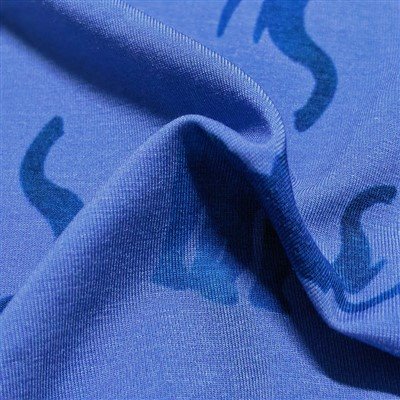
First up, let’s start with the basics: work gloves need way more from their fabric than a t-shirt does. They have to resist snags from rebar, stand up to occasional spills or scrapes, not feel like a sweaty mess after an hour of digging, and still let your hands move freely. No fabric checks all boxes, so each job calls for a specific blend or type.
Let’s kick things off with the OG workhorse: cotton canvas. I know, it sounds plain, but canvas has been the go-to for work gloves for decades, and for good reason. It’s durable, cheap, and surprisingly tough for how simple it is. Most heavy-duty canvas used for gloves is a heavy-weight weave—think 10 oz or higher—so it can take a beating without tearing. I’ve supplied cotton canvas to landscaping crews and carpenters for years, and they swear by it for light to medium tasks: moving lumber, planting shrubs, hauling tools. The downside? It doesn’t hold up to oil or chemicals, and if it gets wet, it stays wet for ages, leaving your hands pruny and cold. Also, it’s not the best at abrasion resistance if you’re rubbing it against concrete all day. But for casual outdoor work, it’s still solid.
Next, a big upgrade that’s taken over the last 20 years: cotton blends. A lot of people think synthetic fabrics are the only way to go, but mixing cotton with a little polyester or spandex fixes a lot of canvas’s flaws. Throw in 5-10% spandex, and the gloves stretch just enough to fit different hand sizes without feeling baggy. Add polyester, and you get a fabric that resists shrinking, stands up to more abrasion, and dries way faster if it gets rained on. I supply a cotton-poly blend that’s super popular with construction teams right now—it’s 80% cotton, 18% polyester, 2% spandex. It’s tough enough to stop small scrapes, breathes better than 100% polyester, and doesn’t hold sweat like plain cotton does. A lot of my customers use this for general handyman work or warehouse tasks where they’re not around harsh chemicals.
Now, let’s talk about the heavy hitters for industrial jobs: synthetic fabrics. If you’re working with chemicals, electricity, or sharp metal, you can’t rely on cotton. The first synthetic I recommend for work gloves is nylon. Nylon is lightweight, super strong, and resistant to snags and abrasion. It’s also water-resistant in thin layers, which is great for outdoor work in drizzly weather. But wait—pure nylon can be slippery when your hands get sweaty, so most work gloves use a nylon blend, or a ripstop nylon weave. Ripstop is a game-changer: it’s woven with thicker threads at regular intervals, so if you do get a tear, it won’t spread across the whole glove. I supply ripstop nylon for electricians and metal fabricators, and they love that it’s tough enough to catch a stray piece of wire without fraying. Just a heads up: nylon melts at a lower temperature than natural fabrics, so don’t use it around open flames or hot surfaces. It’ll stick to your skin, and that’s a huge safety no-no.
Polyester is another synthetic staple, and it’s actually more heat-resistant than nylon, which makes it perfect for jobs where you’re working around heat. Think auto mechanics, welders (though even welders need specialized fabrics, more on that later). Polyester is also resistant to mildew and chemicals, which is why a lot of industrial gloves use it. A lot of these are fleece-backed, too—so the inner layer is soft polyester fleece to keep hands warm, and the outer layer is a tough polyester weave to resist grime. I’ve had a lot of warehouse managers ask for polyester work gloves because they’re easy to wipe clean, don’t smell as bad as cotton after a week of use, and hold up to regular washing. The only catch? Pure polyester can be less breathable than cotton, so for hot environments, you want a polyester mesh weave instead of a solid one. Mesh lets air circulate, so your hands don’t turn into a swamp.
Wait, what about leather? Leather is technically a fabric (or animal hide, but it’s treated like a textile for these purposes) and it’s still one of the most durable options for heavy work. Split leather, which is the inner layer of hide, is cheaper than full-grain leather and super tough. Full-grain leather is the thick, top layer, and it’s the Rolls-Royce of work glove fabrics. It’s completely resistant to abrasion, oil, and water if it’s treated, and it gets more comfortable the more you wear it. I supply full-grain leather for loggers and construction workers who handle rough materials all day—these gloves last months, even with daily heavy use. The downsides? Leather is heavy, it’s expensive, and it takes a lot longer to dry if it gets wet. Also, if you’re working around chemicals, leather will get damaged if you don’t treat it regularly. So it’s not for every job, but for hard core outdoor labor, it’s unbeatable.
Now, let’s get into the specialized fabrics for specific jobs, because regular fabrics won’t cut it here. If you’re working with electricity, you need gloves that are insulated, and a lot of those use rubberized fabrics or aramid fibers. Aramid is the big one here—names like Kevlar are the most well-known, but there are other brands too. Aramid is fire-resistant, heat-resistant, and cuts resistant. It’s woven into gloves to stop small cuts from sharp metal, and it won’t melt when you get close to a spark. I supply aramid-blend gloves for utility workers and firefighters’ gear, and they’re way more flexible than old heavy rubber gloves. The key here is that aramid isn’t 100% of the fabric—usually it’s a blend with nylon or polyester to keep the gloves moving with your hands, not against them.
For jobs where you’re handling chemicals or liquids, you need something that repels those. That’s where nitrile-coated or PVC-coated fabrics come in. The base fabric is usually a cotton or polyester blend, and then it’s coated with a layer of nitrile or PVC to make it waterproof and chemical-resistant. I supply these for cleaners and lab workers who need to handle harsh solvents. The nitrile coating is actually better than PVC because it’s more flexible, doesn’t crack as easily, and resists more types of chemicals. The downside? It’s less breathable, so your hands can get sweaty inside, which is why a lot of these coated gloves have a porous base fabric to let some air through.
Wait, I almost forgot a big trend lately: recycled fabrics. A lot of my customers are asking about sustainable options now, and I’ve started sourcing recycled polyester and recycled cotton for work gloves. It works just as well as virgin fabric, and it’s better for the environment. Recycled polyester is especially popular because it’s tough, resists stains, and cuts down on plastic waste. I’ve had a few landscaping companies switch to gloves made with recycled cotton blends, and they say they’re just as durable as the old ones, plus it’s a good selling point for their own clients who care about sustainability.
Now, let’s talk about how to pick the right fabric for your team, because this is where a lot of people go wrong. First, figure out the main hazards of the job: are you dealing with sharp objects? Go for aramid or ripstop nylon. Are you working with heat? Polyester or leather. Are you handling chemicals? Nitrile-coated fabrics. Then, think about comfort and breathability. If your team is working outdoors in the summer, skip the thick leather or solid polyester—go for a cotton-poly blend or nylon mesh. If it’s winter, add a fleece lining to any fabric to keep hands warm. Also, consider durability: how often do your workers need new gloves? If they’re going through gloves every month, a cheaper cotton blend is fine. If they last 6 months or more, investing in aramid or full-grain leather will save you money in the long run, because you don’t have to restock as often.
I see a lot of customers make the mistake of buying the cheapest gloves they can find, and they end up having to replace them twice as often. The fabric is the whole reason a glove works—if the fabric tears after a week, it doesn’t matter how cheap it was. That’s why I take time to talk to each customer about their specific job, not just sell them a random fabric. For example, a roofer needs gloves that resist snags from shingles, so ripstop nylon or a heavy cotton canvas works best. A butcher needs cut-resistant gloves, so aramid blends are non-negotiable. A warehouse worker might just need a general cotton-poly blend that’s cheap, breathable, and stands up to light abrasion.
Another thing I always mention: care. Even the best fabric glove will fall apart if you don’t take care of it. For canvas or cotton blends, you can wash them in a washing machine on a gentle cycle, but don’t use bleach—it’ll weaken the fabric. For leather gloves, wipe them down with a damp cloth after use, and condition them every few weeks to keep them from cracking. For synthetic coated gloves, don’t machine wash them—rinse them off by hand with mild soap, because the coating can peel if you put it in the dryer or the washing machine. I give all my customers a little care guide with each order, because a 5-minute care routine can make gloves last twice as long.
At the end of the day, work glove fabrics aren’t just a piece of material stitched together—they’re a safety tool, a comfort tool, and a cost-saving tool for your team. Whether you’re a small landscaping business or a large construction company, picking the right fabric means your workers can do their job better, without worrying about tears, scrapes, or cold, sweaty hands.
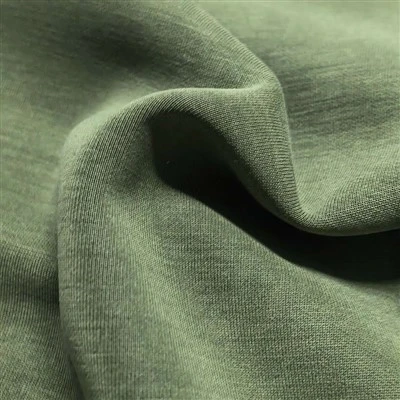
If you’re looking to restock work gloves with fabrics that are durable, safe, and tailored to your specific job, hit me up to talk procurement. We can walk through your needs, test different fabric blends, and get you a bulk order that fits both your budget and your team’s safety requirements. Let’s make sure your workers have gloves that work as hard as they do.
Recycled Polyester Fabric References
Occupational Safety and Health Administration (OSHA). (2021). Personal Protective Equipment (PPE) Guidelines for Hand Protection. U.S. Department of Labor.
Textile Institute. (2020). Technical Textiles for Industrial Workwear: Performance Standards and Applications. The Textile Institute.
International Organization for Standardization (ISO). (2019). ISO 21420: Protective Gloves Against Mechanical Risks – Requirements and Test Methods. ISO.
Shaoxing Valu Textile Co., Ltd.
Shaoxing Valu Textile Co., Ltd. is one of the most professional apparel fabric manufacturers and suppliers in China. We have world-leading production equipment and strong manufacturing capabilities. Please feel free to wholesale bulk high quality apparel fabric made in China here from our factory. Also, custom service is available.
Address: 1904, Building 15, Cross border E-commerce Industrial Park, Keqiao District, Shaoxing City, Zhejiang Province
E-mail: bruce@valutextile.com
WebSite: https://www.valutextile.com/
