As a seasoned cable harness assemblies supplier, I’ve witnessed firsthand the critical role these components play in a wide array of industries, from automotive and aerospace to consumer electronics and industrial machinery. The reliability of cable harness assemblies is not just a matter of product quality; it’s a cornerstone of operational efficiency, safety, and customer satisfaction. In this blog, I’ll share some practical insights and strategies on how to improve the reliability of cable harness assemblies based on my experience in the field. Cable Harness Assemblies
Understanding the Basics of Cable Harness Assemblies
Before delving into the strategies for improving reliability, it’s essential to understand what cable harness assemblies are and how they work. A cable harness assembly is a group of wires, cables, and connectors that are bundled together to transmit electrical power or signals. These assemblies are designed to organize and protect the cables, reduce electromagnetic interference, and simplify the installation and maintenance processes.
The reliability of a cable harness assembly depends on several factors, including the quality of the materials used, the design and manufacturing processes, and the environmental conditions in which the assembly operates. By addressing these factors, we can significantly enhance the reliability of cable harness assemblies.
Selecting High – Quality Materials
The quality of the materials used in cable harness assemblies is the foundation of their reliability. When selecting materials, we need to consider several aspects:
Conductors
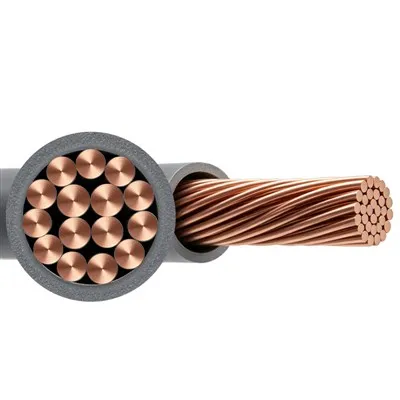
The conductors are the heart of the cable harness assembly, responsible for carrying electrical current or signals. Copper is the most commonly used conductor material due to its excellent electrical conductivity, ductility, and corrosion resistance. We should choose conductors with the appropriate gauge and type based on the specific application requirements, such as the current capacity, voltage rating, and frequency of the signals.
Insulation Materials
Insulation materials are used to isolate the conductors and prevent electrical leakage and short – circuits. There are various types of insulation materials available, such as PVC (Polyvinyl Chloride), Teflon, and silicone rubber. Each material has its own properties, such as temperature resistance, chemical resistance, and flexibility. For example, Teflon is highly resistant to high temperatures and chemicals, making it suitable for harsh environments, while PVC is more cost – effective and commonly used in general applications.
Connectors
Connectors are used to join the cables to other components or devices. They need to provide a secure and reliable electrical connection. High – quality connectors are made of materials with good conductivity and corrosion resistance, such as brass or copper alloy, and are designed to withstand mechanical stress and environmental factors. When choosing connectors, we should consider factors such as the type of connection (e.g., board – to – board, wire – to – board), the number of pins, and the mating cycles.
Optimizing the Design Process
A well – designed cable harness assembly can minimize the risk of failure and improve its overall reliability. Here are some key design considerations:
Routing and Bundling
Proper routing and bundling of cables can reduce the risk of abrasion, interference, and mechanical stress. Cables should be routed away from sharp edges, moving parts, and heat sources. They should also be bundled in a way that allows for easy installation, maintenance, and replacement. For example, we can use cable ties, sleeves, or conduits to organize the cables.
Stress Relief
Stress relief features are essential to prevent the cables from being damaged due to bending, pulling, or vibration. This can include adding strain relief boots at the cable – connector interface, using flexible cables in areas where there is movement, and ensuring that the cables have enough slack to accommodate any changes in the environment.
Environmental Protection
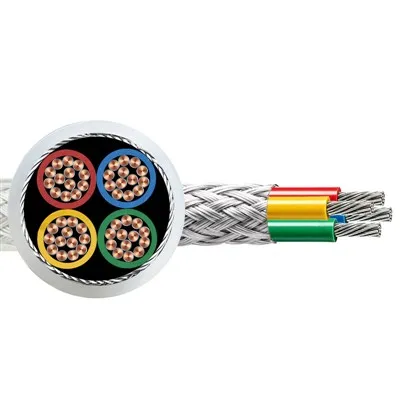
The cable harness assembly should be designed to withstand the environmental conditions in which it will operate. This may involve using protective coatings, waterproofing materials, or EMI (Electromagnetic Interference) shielding. For example, in outdoor or high – humidity environments, we can use cables with water – resistant jackets and connectors with sealed housings.
Implementing Rigorous Manufacturing Processes
The manufacturing process of cable harness assemblies plays a crucial role in their reliability. Here are some important steps to ensure high – quality production:
Quality Control
Implementing a comprehensive quality control system is essential at every stage of the manufacturing process. This includes inspecting the raw materials for defects, monitoring the production process to ensure compliance with design specifications, and conducting final testing on the finished products. For example, we can use automated testing equipment to check the electrical performance of the cable harness assemblies, such as continuity, insulation resistance, and voltage withstand.
Assembly Techniques
Proper assembly techniques are vital to ensure the integrity of the cable harness assembly. This includes stripping the cable insulation to the correct length, crimping the connectors securely, and soldering the joints if necessary. Workers should be trained in the proper use of tools and equipment to avoid damage to the cables and connectors.
Documentation and Traceability
Maintaining detailed documentation of the manufacturing process is important for quality control and traceability. This includes recording the specifications of the materials used, the production steps, and the test results. In case of a failure or quality issue, we can use this documentation to identify the root cause and take appropriate corrective actions.
Testing and Validation
Testing and validation are critical steps in improving the reliability of cable harness assemblies. Here are some common types of tests:
Electrical Testing
Electrical testing includes checking the continuity of the conductors, measuring the insulation resistance, and testing the voltage withstand. These tests can help detect any electrical faults, such as short – circuits or open – circuits, in the cable harness assembly.
Mechanical Testing
Mechanical testing involves subjecting the cable harness assembly to various types of mechanical stress, such as bending, pulling, and vibration. This can simulate the real – world conditions in which the assembly will operate and help identify any potential weaknesses in the design or manufacturing process.
Environmental Testing
Environmental testing is used to evaluate the performance of the cable harness assembly under different environmental conditions, such as temperature, humidity, and salt spray. This can help determine the suitability of the assembly for specific applications and ensure its long – term reliability.
Maintaining and Monitoring
Even after the cable harness assembly is installed and in use, regular maintenance and monitoring are necessary to ensure its continued reliability. This includes inspecting the assembly for signs of wear, damage, or corrosion, and replacing any faulty components as soon as possible. Additionally, monitoring the operating conditions, such as temperature and electrical performance, can help detect potential problems before they lead to a failure.
Conclusion
Improving the reliability of cable harness assemblies is a multi – faceted process that involves selecting high – quality materials, optimizing the design, implementing rigorous manufacturing processes, conducting thorough testing and validation, and maintaining and monitoring the assemblies over their lifespan. By following these strategies, we can ensure that our cable harness assemblies meet the highest standards of quality and reliability, providing our customers with products that they can trust.
Power Cable Low Voltage If you’re in the market for high – reliability cable harness assemblies, I invite you to contact us for a procurement discussion. We have the expertise and experience to provide you with customized solutions that meet your specific requirements.
References
- "Cable and Harness Installation Manual" by the Society of Automotive Engineers (SAE).
- "Electrical Wiring Handbook" by Rex M. Coulter.
- Industry standards and specifications related to cable harness assemblies, such as UL (Underwriters Laboratories) and IEEE (Institute of Electrical and Electronics Engineers) standards.
Yangzhou Huayu Cable Co., Ltd.
Yangzhou Huayu Cable Co., Ltd. is one of the most professional cable harness assemblies manufacturers and suppliers in China, also supports customized service with low price. Please feel free to wholesale advanced cable harness assemblies made in China here from our factory. Contact us for pricelist.
Address: No. 9 Jingang Road, Yangzhou City, Jiangsu Province, China
E-mail: huayucableco@126.com
WebSite: https://www.huayucabletech.com/
