Torque plays a pivotal role in the performance and functionality of used textile machinery. As a seasoned used textile machinery supplier, I’ve delved deep into the mechanics of these machines, and understanding torque is essential for anyone involved in the textile industry, whether you’re a manufacturer, a mechanic, or an investor looking to purchase used textile equipment. Used Textile Machinery
Understanding Torque
Torque can be most simply defined as the rotational force that causes an object to rotate about an axis. In the context of textile machinery, this force is crucial for driving various components such as spindles, rollers, and looms. The unit of torque is the Newton – meter (N·m) in the SI system, although in some regions, foot – pounds (ft·lb) are also used.
Mathematically, torque (τ) is calculated using the formula τ = r × F × sinθ, where r is the distance from the axis of rotation to the point where the force is applied, F is the magnitude of the force, and θ is the angle between the force vector and the position vector from the axis of rotation to the point of application of the force. In mechanical systems, when the force is applied perpendicularly (θ = 90°, sinθ = 1), the formula simplifies to τ = r × F.
Torque in Different Types of Textile Machinery
Spinning Machines
In spinning machines, torque is vital for the operation of spindles. Spindles are responsible for twisting fibers into yarn. The torque applied to the spindles determines the amount of twist that can be imparted to the yarn. A higher torque allows for a higher twist rate, which can result in stronger and more durable yarn. However, too much torque can cause the fibers to break, leading to production inefficiencies.
The motors in spinning machines need to be carefully calibrated to provide the right amount of torque. Older used spinning machines may have motors that have lost some of their efficiency over time, resulting in inconsistent torque. This can lead to variations in yarn quality, such as uneven thickness and twist. As a supplier of used spinning machines, I always ensure that the machines are thoroughly tested to assess the torque output of the spindles.
Looms
Looms are used to weave yarns into fabric. The torque in a loom is mainly involved in driving the warp and weft yarns. The warp yarns run lengthwise in the fabric, while the weft yarns run crosswise. The torque required to drive the warp beams and the shuttle (or the modern projectile or rapier systems) is significant.
In shuttle looms, the torque is needed to accelerate and decelerate the shuttle as it moves across the width of the fabric. In modern rapier or projectile looms, the torque is used to drive the rapier or projectile which carries the weft yarn through the shed (the opening between the warp yarns). Any imbalance in torque can lead to mis – weaves, such as skipped picks or broken yarns. When selling used looms, I make sure to check the torque – related components, such as the drive motors and the transmission systems, to guarantee smooth operation.
Knitting Machines
Knitting machines create fabric by interlocking loops of yarn. Torque is required to drive the needles and the feeders. The needles need a certain amount of torque to move up and down and form the loops, while the feeders need torque to supply the yarn at a consistent rate.
In circular knitting machines, the torque is also important for rotating the cylinder on which the needles are mounted. A lack of sufficient torque can result in dropped stitches or uneven fabric tension. I always test the torque capabilities of used knitting machines to ensure that they can produce high – quality knitted fabrics.
Factors Affecting Torque in Used Textile Machinery
Wear and Tear
One of the most significant factors affecting torque in used textile machinery is wear and tear. Over time, the components of the machinery, such as gears, bearings, and belts, can wear down. Worn gears may not mesh properly, resulting in a loss of torque transmission efficiency. Bearings that are worn out can create additional friction, which requires more torque to overcome.
For example, in a used spinning machine with worn – out bearings in the spindle drive system, the motor has to work harder to provide the same amount of torque to the spindles. This not only increases energy consumption but also can lead to premature motor failure. As a supplier, I inspect all the mechanical components of the used machinery to identify and replace any worn – out parts that may affect torque.
Lubrication
Proper lubrication is essential for maintaining the torque in textile machinery. Lubricants reduce friction between moving parts, allowing them to operate smoothly. In used machines, the lubrication system may have deteriorated over time, or the lubricant may have become contaminated.
Contaminated lubricant can cause abrasive wear on the components, increasing the friction and reducing the torque efficiency. I always check the lubrication systems of the used textile machinery I supply. If necessary, I perform a thorough cleaning and replace the lubricant to ensure optimal torque transmission.
Electrical Issues
In electrically – driven textile machinery, electrical problems can also affect torque. Faulty motors, damaged wiring, or incorrect voltage supply can all lead to inconsistent torque output. For instance, a motor that is not receiving the proper voltage may not be able to generate the required torque.
I have a team of experienced technicians who can diagnose and repair electrical issues in used textile machinery. They use advanced testing equipment to check the electrical parameters of the motors and ensure that they are operating at their optimal torque levels.
Importance of Torque in the Textile Industry
Quality of Textiles
The quality of textiles produced is directly related to the torque in the textile machinery. Consistent torque ensures that the yarns are spun, woven, or knitted with the right amount of tension and twist. This results in textiles with uniform thickness, strength, and texture.
For example, in the production of high – end silk fabrics, precise torque control is necessary to create a smooth and even surface. Any deviation in torque can lead to imperfections in the fabric, such as uneven dyeing or visible knots. As a supplier of used textile machinery, I understand the importance of torque in delivering high – quality products to our customers.
Productivity
Torque also has a significant impact on the productivity of textile manufacturing. Machines that can deliver the required torque efficiently can operate at higher speeds without sacrificing quality. This allows textile manufacturers to increase their production output.
In a large – scale textile factory, a small improvement in torque efficiency in each machine can lead to a substantial increase in overall productivity. By supplying high – torque and efficient used textile machinery, I help my customers to boost their production capabilities and stay competitive in the market.
Choosing the Right Used Textile Machinery Based on Torque
When selecting used textile machinery, it’s crucial to consider the torque requirements for your specific production needs. The first step is to determine the type of textiles you want to produce. Different types of fabrics require different levels of torque.
For example, if you’re planning to produce heavy – duty denim fabrics, you’ll need looms with high – torque capabilities to handle the thick and strong yarns. On the other hand, if you’re producing delicate lace fabrics, the knitting or weaving machines will need more precise and lower – torque control.
I always provide detailed information about the torque specifications of the used textile machinery I offer. I also offer on – site testing and demonstration services to help my customers make an informed decision.
Conclusion
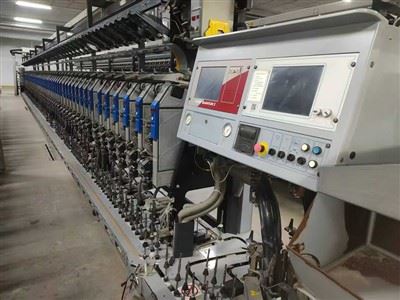
In conclusion, torque is a fundamental aspect of used textile machinery. It affects the quality of textiles produced, the productivity of the manufacturing process, and the overall performance of the machines. As a used textile machinery supplier, I am committed to providing high – quality machines that offer optimal torque efficiency.
Blow Room Machine If you’re in the market for used textile machinery and want to ensure that you get the best performance in terms of torque, I’m here to help. Whether you’re a small – scale textile producer or a large – scale industry player, I have a wide range of used textile machinery to meet your needs. Contact me today to start a discussion about your procurement requirements, and let’s work together to find the perfect solution for your textile manufacturing business.
References
- "Textile Machinery Handbook" – Various authors
- "Mechanical Engineering Principles" – J. Bird
Shandong Hongye Machinery Co., Ltd.
Shandong Hongye Machinery Co., Ltd. is one of the most professional used textile machinery manufacturers and suppliers in China, featured by quality products and low price. Please rest assured to buy advanced used textile machinery in stock here and get quotation from our factory. Also, 1 year warranty is available.
Address: Room 1104, Building No. 2, Haier Yunjie, No. 99 Chongqing South Road, Qingdao, China
E-mail: sales@seavincn.com
WebSite: https://www.sdhymachinery.com/
