As a supplier of oil conservators in transformers, I’ve had the privilege of witnessing firsthand the importance of these components in the efficient operation of transformers. An oil conservator is a crucial part of a transformer, serving as a reservoir for the insulating oil and compensating for the volume changes of the oil due to temperature variations. However, the performance of an oil conservator can be influenced by several factors. In this blog, I’ll delve into the key factors that affect the performance of an oil conservator in a transformer. Oil Conservator In Transformer
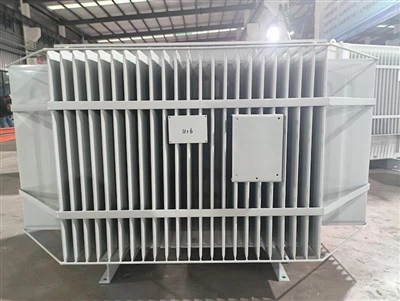
1. Design and Construction
The design and construction of an oil conservator play a fundamental role in its performance. A well – designed oil conservator should have an appropriate volume to accommodate the expansion and contraction of the transformer oil. If the volume is too small, it won’t be able to handle the oil volume changes during temperature fluctuations, which can lead to over – pressurization or under – pressurization in the transformer.
The shape of the oil conservator also matters. A properly shaped conservator allows for smooth oil flow, minimizing the formation of air pockets and ensuring efficient heat transfer. For example, a cylindrical oil conservator with a well – engineered baffle system can help direct the oil flow and prevent oil sloshing, which is beneficial for the overall stability of the transformer.
The materials used in the construction of the oil conservator are equally important. High – quality materials with good corrosion resistance and mechanical strength are essential. Stainless steel is a commonly used material due to its excellent corrosion resistance, which helps protect the oil from contamination and extends the service life of the conservator. Additionally, the seals and gaskets in the oil conservator must be of high – quality to prevent oil leakage. Poor – quality seals can lead to oil loss, which not only affects the performance of the transformer but also poses environmental risks.
2. Temperature
Temperature is one of the most significant factors affecting the performance of an oil conservator. Transformer oil expands and contracts with temperature changes. As the temperature rises, the volume of the oil increases, and it fills the oil conservator. Conversely, when the temperature drops, the oil contracts, and the air in the conservator is drawn in.
Extreme temperature conditions can pose challenges to the oil conservator. In hot climates, the oil may expand to a large extent, and if the oil conservator is not designed to handle this expansion properly, it can cause the pressure to build up inside the transformer. This over – pressurization can lead to damage to the transformer’s components, such as the gaskets and seals.
On the other hand, in cold climates, the oil’s viscosity increases, and its volume decreases significantly. This can cause the oil level in the conservator to drop rapidly. If the oil level drops too low, it can expose the transformer’s windings to air, which reduces the insulating properties of the oil and increases the risk of electrical breakdown.
3. Moisture and Contamination
Moisture and contamination can have a detrimental effect on the performance of an oil conservator. Moisture in the transformer oil can reduce its dielectric strength, making the transformer more susceptible to electrical breakdown. Water can enter the oil conservator through various means, such as leakage in the seals, condensation, or improper maintenance.
Contamination can also occur in the form of dust, dirt, and solid particles. These contaminants can accumulate in the oil conservator and disrupt the smooth flow of the oil. They can also cause wear and tear on the internal components of the conservator, such as the valves and floats. Over time, the presence of contaminants can lead to blockages in the oil ducts, which can affect the oil circulation and heat dissipation in the transformer.
To mitigate the effects of moisture and contamination, proper filtration and dehydration systems are necessary. These systems help remove moisture and contaminants from the oil, ensuring that the oil maintains its optimal properties for efficient transformer operation.
4. Air Ingress and Exhaust
The process of air ingress and exhaust in the oil conservator is crucial for maintaining the balance of pressure inside the transformer. As the oil expands and contracts, air must be able to enter and leave the conservator freely. However, the air that enters the conservator should be clean and dry to prevent moisture and contamination of the oil.
A malfunctioning air – breathing system can cause problems. For example, if the air intake filter is clogged, it restricts the air flow into the conservator. This can lead to a pressure imbalance, which may cause the oil to leak or damage the transformer’s internal components. Similarly, if the exhaust valve is not working properly, the pressure inside the conservator may not be released when the oil contracts, leading to over – vacuum conditions.
5. Maintenance and Monitoring
Regular maintenance and monitoring are essential for ensuring the optimal performance of an oil conservator. Maintenance tasks include checking the oil level, inspecting the seals and gaskets for leaks, and cleaning the internal components of the conservator. By conducting regular maintenance, potential problems can be identified and addressed early, preventing costly breakdowns.
Monitoring the performance of the oil conservator is also crucial. This can be done by measuring parameters such as the oil level, temperature, and pressure. Real – time monitoring systems can provide valuable data on the operation of the oil conservator, allowing for timely intervention if any abnormalities are detected. For example, if the oil level rises or falls unexpectedly, it may indicate a problem with the oil conservator or the transformer itself.
6. Compatibility with Transformer Oil
The oil conservator must be compatible with the type of transformer oil used. Different types of transformer oils have different chemical and physical properties, such as viscosity, flash point, and dielectric strength. The material of the oil conservator and its internal components should be able to withstand the chemical and physical effects of the transformer oil.
For example, some types of rubber seals may be incompatible with certain types of transformer oils, which can cause the seals to deteriorate over time. This can lead to oil leakage and affect the performance of the oil conservator. Therefore, it is important to ensure that the oil conservator is designed and manufactured to be compatible with the specific type of transformer oil in use.
Conclusion
In conclusion, the performance of an oil conservator in a transformer is affected by a variety of factors, including design and construction, temperature, moisture and contamination, air ingress and exhaust, maintenance and monitoring, and compatibility with transformer oil. As a supplier of oil conservators in transformers, I understand the importance of taking these factors into account to provide high – quality products.
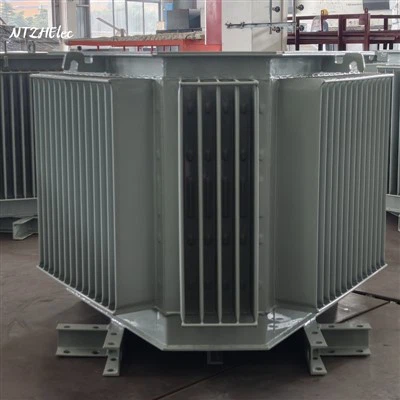
Corrugated Transformer Tank By carefully designing and constructing oil conservators, using appropriate materials, and implementing effective maintenance and monitoring strategies, we can ensure that the oil conservators perform optimally, enhancing the reliability and efficiency of transformers. If you are in the market for high – quality oil conservators for your transformers, I invite you to get in touch with me to discuss your specific requirements. I’m here to provide you with the best solutions to meet your needs and ensure the smooth operation of your transformers.
References
- Blackburn, J. L. (2016). Protective Relaying: Principles and Applications. CRC Press.
- Grover, P. (2018). Transformer Design Principles: With Applications to Core – Form Power Transformers. Springer.
- Roberts, A. J. (2019). High Voltage Engineering and Testing. IET.
Nantong Zhihe Electric Co., Ltd.
As one of the most professional oil conservator in transformer manufacturers and suppliers in China, we’re featured by quality products and low price. Please rest assured to wholesale cheap oil conservator in transformer made in China here from our factory. Customized orders are welcome.
Address: NO.202 Jianghai West Road, Hai’an Town, Hai’an City, Jiangsu Province
E-mail: colt.ntzh@gmail.com
WebSite: https://www.ntzhelectric.com/
