If you’ve ever stood in a plant control room watching a pipeline carry high-pressure steam, corrosive chemical feed, or viscous liquid toward a processing step, you’ve probably relied on a globe valve to regulate that flow. As a Globe Valve By Material supplier who’s spent 12 years walking plant engineers through valve selections, one question comes up more than any other: “Why does a globe valve that worked perfectly for my colleague’s system leak in mine more often than not?” The answer, more often than not, boils down to material—not just the valve’s body, but every component that touches the process fluid, and how those materials work together to create a reliable seal. Globe Valve By Material
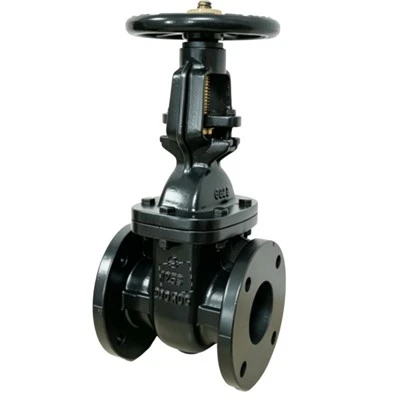
Let’s start with the basics of how a globe valve seals, because that context makes the material choices make sense. A globe valve has a round disc on a stem; when you turn the handwheel, the disc presses down onto a fixed ring called the seat, closing off the pipeline. The seal happens at the interface between the disc’s face and the seat’s surface. If either component’s material isn’t matched to the process conditions, that interface won’t stay tight—even if you crank the handwheel as hard as you can. Leaks start as tiny seepage, which in high-stakes environments can turn into costly downtime, environmental hazards, or safety risks.
I remember a call last winter from a food and beverage plant in the Midwest. They were using carbon steel globe valves on a pasteurized milk line, and every three months they’d replace the disc and seat because of leaks. They thought they just had bad parts, until I asked what they were running through the line: hot milk, which has small amounts of lactic acid and fatty residues. Carbon steel, which they’d picked for low cost, is fine for non-corrosive service, but lactic acid eats away at its soft iron base. The seat would develop tiny pits from corrosion, and the disc’s face couldn’t form a perfect seal against those pits. We swapped their disc and seat to 316 stainless steel with a stellite overlay, and six months later they called to say the leaks were gone. That’s the first lesson: body material matters, but the seal faces (disc and seat) are the critical components where material choice makes or breaks performance.
Different materials suit different process needs, so let’s break down the most common globe valve materials and their sealing tradeoffs, starting with the body and moving to the seal faces.
Cast iron is still the most common body material for low-pressure, non-corrosive applications—like water supply lines, or HVAC systems in office buildings. It’s cheap, easy to machine, and durable for moderate temperature and pressure. But cast iron is brittle, and it’s prone to pitting when exposed to moisture or mild acids. For sealing, cast iron bodies work only if the seal faces are made of a harder, more corrosion-resistant material—usually bronze or stainless steel. The problem with cast iron comes when someone tries to use it on a 150 PSI steam line: the heat expands cast iron unevenly, warping the seat ring just enough to create a tiny gap between disc and seat, and leaks follow. I’ve seen plants cut corners by using cast iron globe valves on steam lines, and within a year they’re replacing half their valves. For low-pressure, clean service, cast iron is fine, but don’t push it beyond its limits.
Carbon steel is a step up, used for medium-pressure applications like oil pipelines, steam lines, and raw water systems. It’s strong, can handle temperatures up to 800°F, and is cheaper than stainless steel. But carbon steel rusts, and that rust is abrasive. If your process fluid has suspended solids—like sand in a water line, or coke fines in an oil line—rust and those solids will scratch the disc and seat faces, leaving tiny grooves that leak. Last year, a small refinery called me because their carbon steel globe valves were leaking after six months of use on a crude oil feed line. We adjusted: we kept the carbon steel body, but swapped the standard cast iron seat insert for a hard chrome-plated stainless steel seat, and replaced the metal disc with a stellite-faced disc. Now those valves have gone 18 months without a leak. The takeaway here: carbon steel bodies work for many processes, but the seal faces need a material that’s harder and more resistant to scratching than the body itself.
Stainless steel is the go-to for corrosive service—chemical processing, pharmaceutical lines, food and beverage, or any application where the fluid will eat through other metals. The most common is 316 stainless, which has molybdenum added to resist pitting from chlorine, acids, and salts. Sealing with stainless steel works well when paired with soft or hard seal materials. For clean, low-corrosion service, a 316 stainless disc and seat is enough, but for more aggressive fluids (like hydrochloric acid), you’ll need an overlay. Stellite overlays, made of cobalt-chromium alloy, are incredibly hard, resist corrosion, and can handle high temperatures. We supply a lot of globe valves with stellite-faced seats for chemical plants—those seats can last 5 years or more, compared to 6 months for bare stainless steel. The downside? Stellite is expensive, so it’s only worth it when you need that corrosion and wear resistance. One customer tried to use stellite seats on a mild water line, and told me later it was a waste of money—they would have been fine with 316 stainless.
Then there are the specialty materials for extreme conditions. Alloy 20 is a nickel-iron-chromium alloy that resists sulfuric acid and phosphoric acid, used in fertilizer plants. Hastelloy, another nickel-based alloy, handles highly corrosive fluids at high temperatures—like in petrochemical processing. For cryogenic service (liquid nitrogen, liquefied natural gas), we use bronze or 904L stainless steel, which don’t become brittle at -320°F. I worked with a LNG plant a few years ago; they’d been using carbon steel valves that cracked during cold starts, and the discs warped so they couldn’t seal at all. Swapping to 904L stainless steel bodies and disc/seat faces fixed both issues.
Now, it’s not just metal materials—soft materials can be used for sealing too, and they’re perfect for applications where zero leakage is non-negotiable, or where the fluid is delicate. PTFE (Teflon) is the most common soft seal material. It’s inert, resists almost all chemicals, and forms a very tight seal against the disc and seat. But PTFE has limits: it can only handle temperatures up to 450°F, and it wears out faster than metal. That makes it ideal for low-temperature, corrosive applications—like chemical dosing lines in a wastewater plant. I’ve seen PTFE-seated globe valves eliminate seepage on lines that metal-seated valves couldn’t handle, because PTFE conforms to minor imperfections in the seat, something metal can’t do. For high-temperature, high-pressure applications, though, PTFE will melt or deform, so you need metal-to-metal sealing. That’s a big mistake I see a lot: trying to use a PTFE seat on a 600 PSI steam line, which is a recipe for a blown seal and a big leak.
Another soft seal option: soft metal materials like aluminum bronze or monel. Aluminum bronze is harder than PTFE, can handle temperatures up to 900°F, and is good for mild corrosion. Monel, a nickel-copper alloy, resists saltwater corrosion, so it’s used for marine applications. We supply monel-seated globe valves for offshore drilling platforms, where saltwater is a constant issue—those valves don’t pit or corrode, so the seal stays tight.
Let’s talk about a common misconception: “harder materials always make better seals.” That’s not true. If a seal face is too hard, it can scratch the mating surface. If you have a soft disc and a hard seat, the disc will deform slightly to fill in gaps, which is good for sealing, but if the disc is too soft, it will wear out quickly. The right balance is key. For example, a stellite disc and a stainless steel seat: stellite is harder, so it resists wear, and stainless steel is hard enough to not scratch the stellite, but soft enough that the disc can press into it a little to make a tight seal. If you flip that and use a stainless steel disc on a stellite seat, the soft stainless will scratch the hard stellite, and the disc will wear out in weeks. I’ve seen that mistake too—an engineer swapped the disc and seat materials without checking hardness, and had to replace 20 valves in a month.
Also, material compatibility with the process fluid is non-negotiable. Even the best material will fail if it reacts chemically with what’s flowing through the valve. For example, if you use carbon steel on a line with hydrogen sulfide (H2S), the carbon steel will suffer sulfide stress cracking, which makes the body brittle, and the seat will crack, leading to leaks. Last year, a pipeline operator had a failure at a pumping station because they used standard carbon steel valves on an H2S line; the valve body cracked, spilling 500 gallons of crude oil. Swapping to alloy 400 (monel) valves fixed that, because monel resists H2S corrosion. That’s the difference between a well-chosen material and a disaster.
Another factor: material expansion and contraction. When a valve heats up or cools down, the body and seal faces expand at different rates, which can break the seal. For example, cast iron has a higher expansion rate than 316 stainless steel. If you pair a cast iron body with a stainless steel disc, when the valve heats up, the body expands more than the disc, creating a gap between disc and seat. That’s why we always suggest matching the body material to the seal face material as much as possible, especially for temperature-varying applications. I worked with a power plant that had this exact issue on a steam line that cycled between 300°F and 700°F; they had carbon steel bodies and stainless steel discs, and every time the line heated up, the gap would widen, and steam would leak. Swapping to carbon steel discs fixed the expansion mismatch, and the leaks stopped.
So what does all this mean for someone choosing a globe valve? It starts with listing your process conditions: temperature, pressure, fluid type (corrosive, abrasive, high-temperature, cryogenic), and required leak rate. Then, match the body and seal face materials to those conditions, balancing cost and performance. Cheap materials might save you money upfront, but if they fail in a few months, the downtime and replacement costs will be way higher.
I’ve built my business on helping clients get this right—no one-size-fits-all, no pushing the most expensive valve just for the sake of profit. Whether you need a cheap cast iron valve for a low-pressure water line, a 316 stainless steel valve for a food processing line, or a stellite-faced alloy valve for a chemical plant, I can help you pick the right Globe Valve By Material for your needs.

If you’re dealing with recurring leaks, unplanned downtime, or just want to make sure your globe valves are matched to your process, reach out. We can walk through your application, review your current valve issues, and recommend the right material combination to get your seals tight and your lines running smoothly.
Globe Valve References:
- Valve Magazine, "Globe Valve Sealing Technology: Material Selection for Critical Applications," 2022.
- API 600, "Steel Gate, Globe, and Check Valves for Petroleum and Natural Gas Industries," American Petroleum Institute, 2021.
- ASME B16.34, "Valves—Flanged, Threaded, and Welding End," American Society of Mechanical Engineers, 2019.
- NACE International, "Corrosion Resistant Materials for Sulfide Stress Cracking Service," NACE Standard MR0175, 2020.
- Food and Drug Administration, "Material Compatibility for Food Processing Equipment," 2018.
Yantai Valtone Valve Co., Ltd.
As one of the most professional globe valve manufacturers and suppliers in China, we have world-leading production equipment and strong manufacturing capabilities. Please rest assured to buy bulk durable globe valve for sale here from our factory. We also accept customized orders.
Address: No. 13, Wuhan street, Bajiao industry park, Yantai ETDZ, Shandong, China.
E-mail: liujun@valtone-valve.com
WebSite: https://www.valtonevalve.com/
