Installing metal scaffold boards on a sloped surface is a task that requires careful planning, the right tools, and a solid understanding of safety protocols. As a supplier of metal scaffold boards, I’ve seen firsthand the importance of proper installation, especially when dealing with non – flat surfaces. In this blog, I’ll walk you through the step – by – step process of installing metal scaffold boards on a sloped surface, ensuring both safety and efficiency. Metal Scaffold Board

Understanding the Challenges of Sloped Surfaces
Sloped surfaces present unique challenges when it comes to scaffold installation. Gravity plays a significant role, as the boards tend to slide down the slope if not properly secured. Additionally, the uneven surface can make it difficult to ensure a stable base for the scaffold. This can lead to instability, which is a major safety hazard on any construction site.
The angle of the slope is a crucial factor. A gentle slope may require less complex installation methods, while a steep slope will demand more advanced techniques and additional safety measures. It’s essential to assess the slope’s angle accurately before starting the installation process.
Pre – installation Preparations
Site Assessment
The first step is to conduct a thorough site assessment. This involves measuring the slope’s angle, identifying any potential obstacles such as rocks, tree stumps, or uneven ground, and determining the overall layout of the area where the scaffold will be installed. Use a clinometer to measure the slope’s angle precisely. This information will help you choose the appropriate installation method and the right type of metal scaffold boards.
Selecting the Right Metal Scaffold Boards
Not all metal scaffold boards are suitable for sloped surfaces. Look for boards that are designed to provide extra grip and stability. Some boards come with anti – slip surfaces or special edges that help prevent sliding. Consider the length and width of the boards based on the slope’s dimensions and the intended use of the scaffold.
Gathering the Necessary Tools
You’ll need a variety of tools for the installation process. These include a spirit level to ensure the boards are level, a hammer for driving in nails or securing brackets, a measuring tape for accurate measurements, and safety equipment such as harnesses, hard hats, and safety goggles. Make sure all tools are in good working condition before starting the installation.
Installation Steps
Step 1: Set Up the Base
The base of the scaffold is crucial for stability. On a sloped surface, you may need to use adjustable legs or base plates to level the scaffold. Start by placing the base plates at the bottom of the slope, ensuring they are firmly planted on the ground. Use the spirit level to check if the base plates are level. If not, adjust the legs until the base is level.
Step 2: Install the Uprights
Once the base is set up, install the uprights. These are the vertical components of the scaffold that support the boards. Place the uprights at regular intervals along the slope, ensuring they are plumb (perfectly vertical). Use a spirit level to check the uprights’ alignment. Secure the uprights to the base plates using appropriate connectors.
Step 3: Attach the Horizontal Members
After the uprights are in place, attach the horizontal members. These are the cross – braces that provide additional support and stability to the scaffold. Connect the horizontal members to the uprights using brackets or clamps. Make sure the connections are tight and secure.
Step 4: Place the Metal Scaffold Boards
Carefully place the metal scaffold boards on the horizontal members. Start from the bottom of the slope and work your way up. Ensure that the boards are evenly spaced and that they overlap properly. Use a spirit level to check if the boards are level. If the slope is too steep, you may need to use special brackets or fasteners to prevent the boards from sliding.
Step 5: Secure the Boards
Once the boards are in place, secure them to the horizontal members. You can use nails, screws, or clips to fasten the boards. Make sure the fasteners are tight and that the boards are firmly attached. This will prevent the boards from shifting or moving during use.
Step 6: Add Safety Features
Safety should always be a top priority when installing a scaffold on a sloped surface. Install guardrails along the edges of the scaffold to prevent falls. You can also add toe boards to prevent tools and materials from falling off the scaffold. Make sure all safety features are properly installed and secured.
Post – installation Checks
After the installation is complete, conduct a thorough post – installation check. Inspect all connections, fasteners, and safety features to ensure they are secure. Use a spirit level to check the levelness of the boards and the overall stability of the scaffold. If any issues are found, address them immediately before using the scaffold.
Maintenance and Inspection
Regular maintenance and inspection are essential for the safe and efficient use of metal scaffold boards on a sloped surface. Check the scaffold regularly for signs of wear and tear, such as loose connections, rust, or damage to the boards. Replace any damaged components immediately. Conduct a more comprehensive inspection at least once a month, or more frequently if the scaffold is used in a high – risk environment.
Benefits of Using Metal Scaffold Boards on Sloped Surfaces
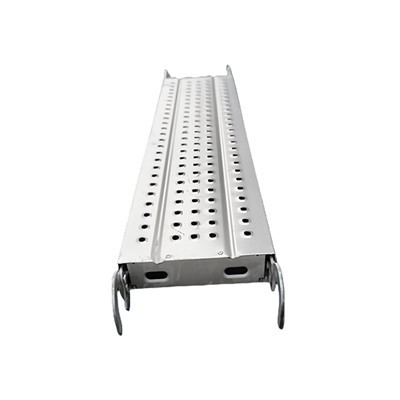
Metal scaffold boards offer several advantages when used on sloped surfaces. They are durable, strong, and resistant to weather conditions. Unlike wooden boards, metal boards are less likely to rot or warp, which makes them ideal for long – term use. Metal boards also provide better grip, reducing the risk of slipping on the sloped surface.
Conclusion
Metal Scaffold Board Installing metal scaffold boards on a sloped surface is a challenging but achievable task. By following the steps outlined in this blog, you can ensure a safe and stable installation. Remember to conduct a thorough site assessment, choose the right boards and tools, and follow all safety protocols. As a supplier of metal scaffold boards, I’m here to help you with any questions or concerns you may have. If you’re in the market for high – quality metal scaffold boards, don’t hesitate to contact me for a consultation. We can discuss your specific needs and provide you with the best solutions for your project.
References
- Construction Safety Manual, published by the National Construction Safety Council
- Metal Scaffold Board Installation Guide, provided by industry experts in the field of scaffolding
Jiangsu Jiasidun Machinery Equipment Co., Ltd.
As one of the leading metal scaffold board manufacturers in China, we warmly welcome you to buy bulk cheap metal scaffold board for sale here from our factory. All customized products are with high quality and low price. Contact us for pricelist and quotation.
Address: No. 8, Yanjiang Road, Hongqiao Town, Taixing City, Jiangsu Province
E-mail: jsjsd888@163.com
WebSite: https://www.cnjsdjx.com/
