Hey there! I’m a supplier of Grinding Parts Separators, and I often get asked this question: How often should a Grinding Parts Separator be maintained? Well, let’s dive right into it. Grinding Parts Separator
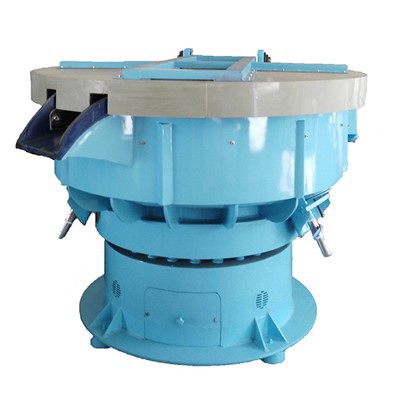
First off, it’s important to understand that the maintenance frequency of a Grinding Parts Separator isn’t a one – size – fits – all deal. There are several factors that come into play, and we’ll go through each of them one by one.
Usage Intensity
The most obvious factor is how often you use the separator. If you’re running it non – stop, say 24/7 in a high – volume manufacturing plant, it’s going to need more frequent maintenance compared to a separator that’s used only a few hours a week in a small workshop.
For a high – intensity operation, I’d recommend a basic inspection every week. This involves checking the belts, making sure they’re not worn out or loose. You should also take a look at the filters. If they’re clogged, it can reduce the separator’s efficiency and even cause damage to other components. A monthly deep – dive maintenance is a must. This includes disassembling parts, cleaning them thoroughly, and checking for any signs of wear and tear on the internal components like the motor and the separating mechanism.
On the other hand, if your usage is low, like 10 – 15 hours a week, a bi – weekly inspection should be sufficient. You can check for any visible issues such as leaks or strange noises. And a quarterly full – scale maintenance will help keep the separator in top shape.
Type of Grinding Parts
The type of parts you’re separating also matters a great deal. If you’re dealing with abrasive materials, like hard metals or ceramics, they can cause more wear on the separator’s components. The abrasive particles can scratch the belts, damage the filters, and even wear down the separating blades.
When working with abrasive materials, regardless of the usage intensity, I’d suggest increasing the maintenance frequency. For a high – usage scenario, daily inspections of the belts and filters are a good idea. You might even need to replace the filters more often, maybe every two weeks instead of monthly. And a monthly disassembly and cleaning of the internal parts is crucial to prevent the build – up of abrasive particles.
If you’re separating less abrasive materials, like soft plastics or non – ferrous metals, the wear and tear will be less. In this case, you can stick to the maintenance schedules based on usage intensity as mentioned earlier.
Environmental Conditions
The environment in which the Grinding Parts Separator operates can have a big impact on its maintenance needs. If the separator is in a dirty, dusty environment, it’s going to get dirty faster. Dust can clog the filters and get into the moving parts, causing them to malfunction.
In a dirty environment, you should clean the exterior of the separator daily. And check the filters at least twice a week. A monthly deep cleaning of the internal components is necessary to remove any dust that has made its way inside.
If the separator is in a clean, climate – controlled environment, the maintenance frequency can be reduced. You can get away with weekly exterior cleaning and bi – weekly filter checks.
Manufacturer’s Recommendations
Don’t forget to follow the manufacturer’s recommendations. They know their product best and have put a lot of research into determining the optimal maintenance schedule. The manual that comes with the Grinding Parts Separator usually has detailed instructions on when to perform different types of maintenance.
For example, some manufacturers might recommend changing the lubricant in the motor every six months, while others might say it’s okay to do it annually. Make sure to read the manual carefully and follow the guidelines.
Signs That Maintenance Is Needed
Even if you’re following a regular maintenance schedule, there are some signs that indicate the separator needs immediate attention. If you notice strange noises, like grinding or rattling, it could mean there’s a problem with the bearings or the motor. A decrease in the separator’s efficiency, such as not separating the parts as well as it used to, could be due to a clogged filter or a worn – out separating mechanism.
Leaking fluids are also a red flag. It could be oil from the motor or coolant if the separator has a cooling system. If you see any leaks, stop using the separator right away and call a professional for maintenance.
Maintenance Tasks
Let’s talk about the actual maintenance tasks. Basic maintenance includes cleaning the exterior of the separator, checking the belts and filters, and tightening any loose bolts. For a more in – depth maintenance, you’ll need to disassemble parts, clean them, and replace any worn – out components.
Cleaning the filters is a crucial task. You can usually wash them with a mild detergent and water. Make sure they’re completely dry before putting them back in. When checking the belts, look for signs of cracking or excessive wear. If a belt is worn out, it’s better to replace it immediately to avoid any breakdowns.
For the internal components, like the motor and the separating mechanism, you might need some specialized tools. If you’re not comfortable doing the maintenance yourself, it’s best to hire a professional.
Cost – Benefit Analysis
You might be thinking, "All this maintenance sounds expensive and time – consuming." But trust me, it’s worth it. Regular maintenance can extend the lifespan of your Grinding Parts Separator, reduce the risk of breakdowns, and improve its efficiency.
A breakdown can cost you a lot more in terms of lost production time and repair costs. By investing a little time and money in regular maintenance, you can save a lot in the long run.
Conclusion
So, to answer the question of how often a Grinding Parts Separator should be maintained, it depends on usage intensity, the type of grinding parts, environmental conditions, and the manufacturer’s recommendations. By following a proper maintenance schedule and paying attention to the signs, you can keep your separator running smoothly for years to come.
High Gloss Polishing Compound If you’re in the market for a Grinding Parts Separator or need more advice on maintenance, don’t hesitate to reach out. We’re here to help you make the best decision for your business. Whether you’re a small workshop or a large manufacturing plant, we’ve got the right separator for you. Let’s start a conversation and see how we can meet your needs.
References
- General knowledge from years of experience in the Grinding Parts Separator industry.
- Manufacturer’s manuals of various Grinding Parts Separators.
Dongguan Xindingsheng Intelligent Grinding Technology Co., Ltd.
Dongguan Xindingsheng Intelligent Grinding Technology Co., Ltd. is one of the most reliable grinding parts separator manufacturers and suppliers in China, also supports customized service. Please feel free to wholesale bulk high quality grinding parts separator in stock here from our factory. Contact us for pricelist.
Address: Room 101, Building 1, No. 73 Dahuangmei Road, Dalingshan Town, Dongguan City, Guangdong Province, China
E-mail: cndskj@126.com
WebSite: https://www.xdsfinishing.com/
