Hey there! I’m a supplier of fabric antimicrobial products, and I’ve been getting a lot of questions lately about whether our stuff can be used in personal protective equipment (PPE). So, I thought I’d take the time to dive into this topic and share my thoughts. Fabric Antimicrobial
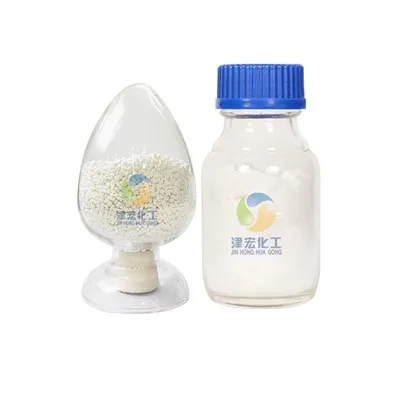
First off, let’s talk about what fabric antimicrobial is. It’s basically a treatment that you can apply to fabrics to kill or inhibit the growth of microorganisms like bacteria, fungi, and viruses. There are different types of fabric antimicrobials out there, and they work in various ways. Some release agents that break down the cell walls of microbes, while others disrupt their metabolic processes.
Now, why would we want to use fabric antimicrobial in PPE? Well, PPE is designed to protect us from harmful substances and pathogens, right? Whether it’s a medical face mask, a protective suit, or gloves, we rely on this equipment to keep us safe. But here’s the thing: normal fabrics used in PPE can become breeding grounds for germs over time. When a healthcare worker wears a mask for hours during a long shift, sweat and moisture can accumulate on the fabric. This creates a perfect environment for bacteria and viruses to grow. And once these microbes start multiplying, they can pose a risk not only to the wearer but also to those around them.
Let’s look at some of the benefits of using fabric antimicrobial in PPE. One of the most obvious advantages is increased protection. By adding an antimicrobial treatment to the fabric, we can reduce the number of pathogens that can survive on the surface of the PPE. This means that the risk of infection is lower. For example, in a hospital setting, a mask with an antimicrobial fabric can help prevent the spread of hospital – acquired infections. Healthcare providers are constantly exposed to a wide range of germs, and having extra protection from their PPE can make a big difference.
Another benefit is the potential to extend the lifespan of the PPE. When fabric is protected from microbial growth, it’s less likely to develop unpleasant odors and stains caused by bacteria. This means that the PPE can be used for longer periods without becoming unhygienic or unusable. For example, in some industries where workers need to wear protective clothing regularly, such as food processing or manufacturing, reusable PPE with antimicrobial fabric can save money in the long run.
But there are also some challenges and considerations when using fabric antimicrobial in PPE. One of the main concerns is safety. The antimicrobial agents used in the treatment need to be safe for human use. If they’re too harsh, they could cause skin irritation or other health problems for the wearer. We need to make sure that the antimicrobial treatment is thoroughly tested and meets all the relevant safety standards.
Another issue is durability. The antimicrobial treatment needs to stay effective even after multiple washes and uses. If the treatment wears off quickly, then the PPE will lose its added protection. This means that manufacturers need to find the right balance between an effective antimicrobial treatment and a durable fabric that can withstand the rigors of daily use.
Let’s talk about some of the research that’s been done on using fabric antimicrobial in PPE. Scientists have been studying different types of antimicrobial agents and their effectiveness against various pathogens. For instance, some studies have looked at using silver – based antimicrobials in masks. Silver has been shown to have broad – spectrum antimicrobial properties, which means it can kill a wide range of bacteria and viruses. These studies have found that masks with silver – based antimicrobial treatments can significantly reduce the number of viable pathogens on the mask surface.
There’s also research on using natural antimicrobial agents, like plant – based extracts. These can be a more environmentally friendly alternative to some of the synthetic antimicrobial agents. Some plant extracts, such as tea tree oil and eucalyptus oil, have been found to have antibacterial and antiviral properties. However, more research is needed to fully understand how effective these natural agents are when used in PPE and how they can be incorporated into the fabric treatment process.
In the medical field, the use of fabric antimicrobial in PPE is already starting to gain traction. Many hospitals are looking into using antimicrobial – treated masks and gowns to improve infection control. In fact, some medical device manufacturers are already producing PPE with built – in antimicrobial properties. This trend is likely to continue as the need for better protection against pathogens becomes more pressing.
Outside of the medical field, there are also potential applications in other industries. For example, in the sports industry, athletes can benefit from PPE with antimicrobial fabric. Sports gear like helmets, mouthguards, and compression garments can be treated with antimicrobials to prevent the growth of bacteria that can cause bad odors and skin infections.
In the fashion industry, there’s an emerging trend of using antimicrobial fabrics in everyday clothing. People are becoming more aware of the importance of hygiene, and they’re looking for clothes that can help keep them clean. So, imagine if your favorite T – shirt or pair of jeans had an antimicrobial treatment. It could stay fresher for longer and reduce the need for frequent washing.
As a fabric antimicrobial supplier, I’m really excited about the potential of using our products in PPE. We’ve been working hard to develop antimicrobials that are safe, effective, and durable. Our team of experts is constantly testing new formulations and working with different fabric manufacturers to ensure that our products can be seamlessly incorporated into the PPE production process.
If you’re involved in the production or use of PPE and are interested in learning more about how our fabric antimicrobial products can benefit your business or your work, I’d love to hear from you. We can have a chat about your specific needs and see how we can customize our solutions to fit your requirements. Whether you’re a small – scale manufacturer or a large – scale distributor, we’re here to help you take your PPE to the next level in terms of protection and quality.
In conclusion, fabric antimicrobial can definitely be used in PPE, and it offers a range of benefits from increased protection to extended lifespan. While there are some challenges to overcome, the potential rewards are huge. So, if you’re looking for a way to enhance the performance of your PPE, don’t hesitate to reach out and explore using our fabric antimicrobial products.
Polyhexamethylene Guanidine References:
- Studies on silver – based antimicrobials in PPE published in leading medical and textile research journals.
- Research on natural antimicrobial agents in fabric treatment from universities and research institutions.
Hebei Jinhong Chemical Co., Ltd.
Hebei Jinhong Chemical Co., Ltd. is one of the most professional fabric antimicrobial manufacturers and suppliers in China. With abundant experience, we warmly welcome you to wholesale high quality fabric antimicrobial made in China here and get pricelist from our factory. For price consultation, contact us.
Address: North of Fazhan Road, East of Qingyuan Road, Nanbao Development Zone, Tangshan City, Hebei Province
E-mail: kevin@hbjhchemical.com
WebSite: https://www.hbjhchemical.com/
